Background
The World Health Organization declared COVID-19 as a pandemic on March 11th, 2020. Uganda registered its first case on March 21, 2020, with cases rising to 281 by May 27th, 2020.
Following the first case, Uganda implemented restrictive measures including suspension of public transport, prohibition of non-food sales in markets, and introduction of curfew hours.
A 2017 PLA survey indicated that domestic workers represent 93% women aged 15-30 in Uganda's informal sector. They work in private settings, making them invisible and vulnerable to violence.
How COVID-19 Has Affected Domestic Workers
Eight key vulnerabilities emerged:
- Employment Termination and Unpaid Leave: Lockdowns and curfews prevented live-out workers from accessing workplaces, resulting in job loss.
- Salary Cuts or Nonpayment: Employers forced difficult choices—work unpaid or return home without transport access.
- Increased Labor Loads: Live-in workers faced uncompensated increased domestic workloads and violence.
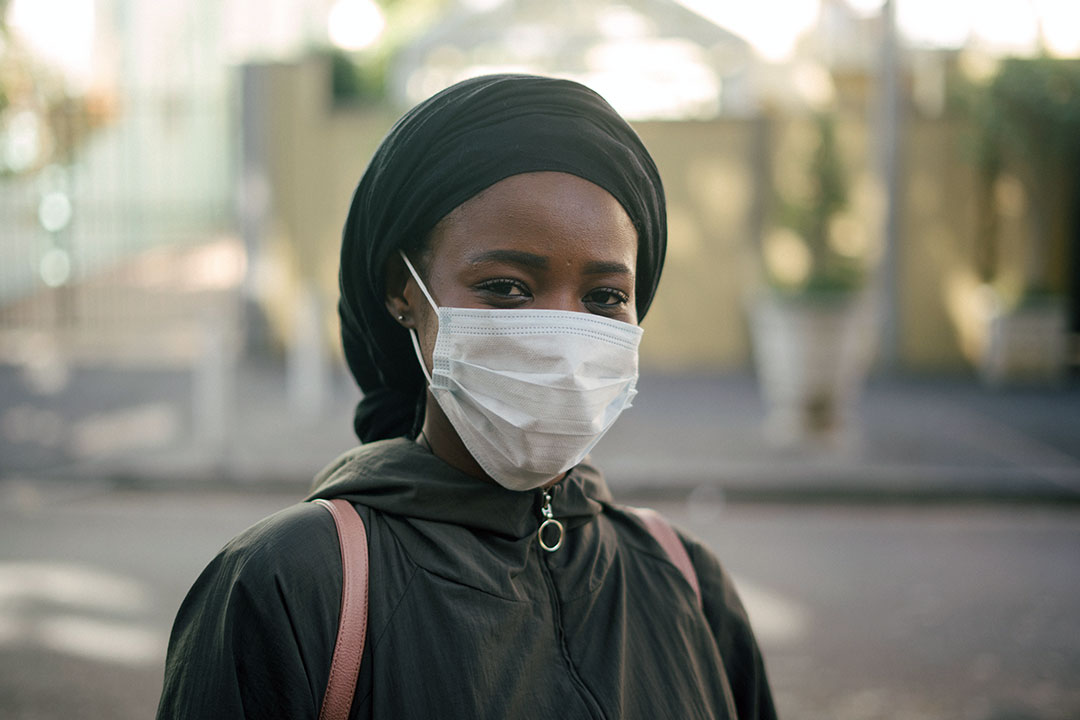
- High Infection Risk: Employers often failed to provide protective equipment.
- Forced Quarantine: Some workers quarantined with employers; others faced border lockouts.
- Information Access Barriers: Language and technical barriers prevented awareness campaign reach.
- Government Relief Exclusion: Most domestic workers couldn't access governmental subsidies due to informal sector status.
- Medical Coverage Gaps: Employers provided no medical care or occupational injury insurance.
Recommendations
Government action should address systemic domestic worker inequalities through sector regulation. Pandemic awareness campaigns require targeted outreach in multiple languages. Employers must provide protective gear while respecting quarantine measures. Domestic Workers Associations should convene interactive member sessions.